
About six months ago I decided to stop just doing SEO only for clients and start building my own lead generation assets. Now I’ve done this in the past with affiliate, but like many others I was burned by previous Google updates — mainly targeting non real brands. But learning from previous mistakes, we go again. Back on the horse.
For those that don’t know, what im reffering to here is websites that rank number one inside Google for commercial-intent phrases, capture that traffic, and generate inbound leads that you control.
Most people get this wrong.
They build one-page “rank and rent” sites targeting plumbers or small local services. There’s barely any margin there. It’s crowded and low value, and you’re fighting over small jobs. There’s no room to take meaningful commission; it's not worth your time as an seo when you can target bigger niches with the same or often less effort required.
Instead, I target larger B2B sectors with lower search volume but much higher contract value. Five and six figure projects. Industrial services. Specialist trades. That gives you real headroom to structure a percentage that still works commercially.
And these aren’t thin sites or fake looking lead gen websites.
They’re full brown brands. Properly designed. 50–150 pages. Service breakdowns. Location pages. Job pages where users can submit their CV. Social profiles. YouTube content. The full works.
You’d assume it’s a real business.
Because it is.
The best bit is I build all of this using AI.
There’s no CMS. No logging into WordPress. No manually clicking into pages to tweak internal links. No messing around with plugins.
These are fully prompted sites built out in Replit. The whole site is structured properly from day one. Internal links are planned before anything goes live. Pages are organised clearly, commercial pages are positioned properly, and everything is set up with SEO in mind from the start, not patched in later.
Then you can foucs where it really matters.... off-site SEO.
You do need to know what you’re doing when constructing sites this way.
If you don’t understand how to structure a site technically for Google, how to map pages to topics properly, how hierarchy works, and what to avoid when using an AI site builder, you’ll generate something that looks impressive but won’t rank.
AI isn’t magic. It amplifies what you know.
But when you do know what you’re doing, it’s a dream. The speed is unreal. If I want to expand into another city, I duplicate the framework and adapt it. If I need to restructure something, I refactor it properly at code level. I’m not stuck inside a CMS fighting layouts.
It feels more like building digital property than editing webpages.
But you have to invest.
Firstly, the biggest investment is your time.
I work late evenings. I give up sleep. I sit for hours figuring out how to use Replit properly. Understanding how to structure projects efficiently. How to prompt better. How to avoid wasting credits. How to think in systems instead of pages.
In the past four months I’ve spent over £4,000 in Replit credits alone.
I’ve definitely overspent. Partly because I’m sometimes a bit lazy and don’t always do things in the most efficient way. But I don’t really blink at investing my own money if the potential returns excite me and the learning compounds.
Building sites with AI opens the door massively to being able to scale assets quickly. But it isn’t free. It costs time. It costs energy. It costs real money.
Then there’s links.
I’ve had to invest my own money into backlinks — either through time and effort doing digital PR, or paid link building. Sometimes £200–£300 per link in competitive sectors.
Most people say they want their own lead gen assets. But they shudder at the thought of investing properly to get real returns.
You can’t want asset-level upside but operate with freelancer-level risk tolerance.
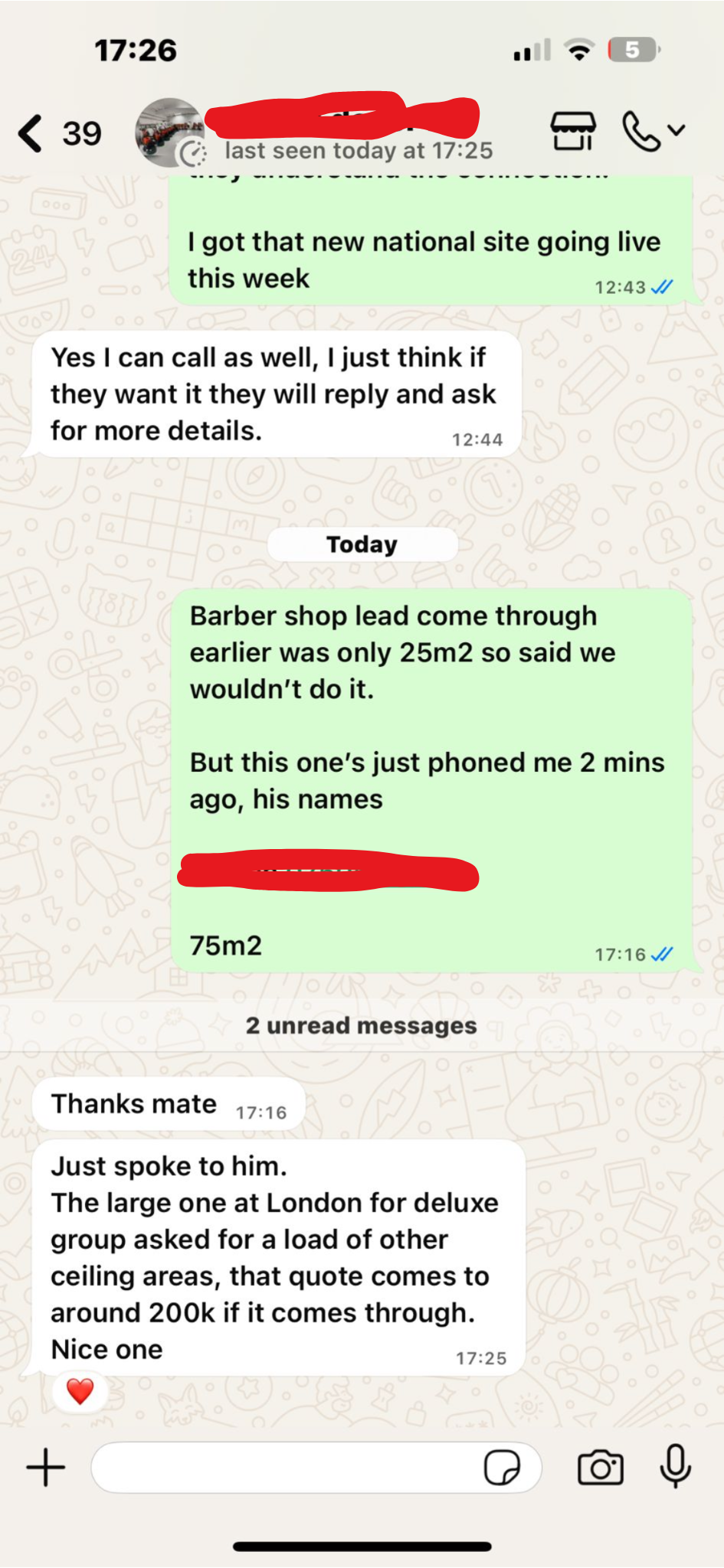
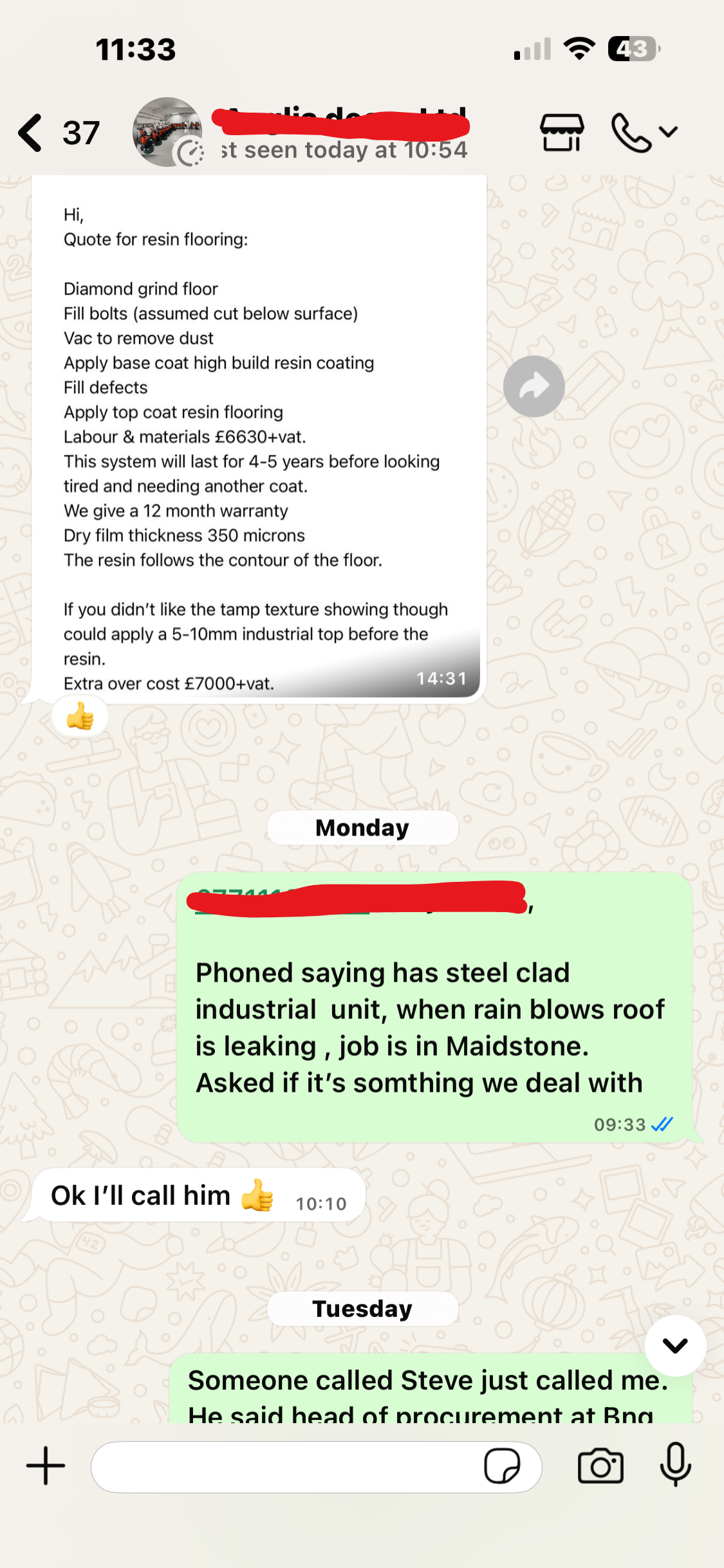
Once one of the sites started generating leads, I made a few cold calls and got speaking to a business owner.
At first they think it’s a scam.
“Why would you send us leads for free?”
But someone will bite.
And the relationship shifts quickly once they start receiving genuine enquiries and you’re asking for nothing upfront. Trust builds fast when revenue lands.
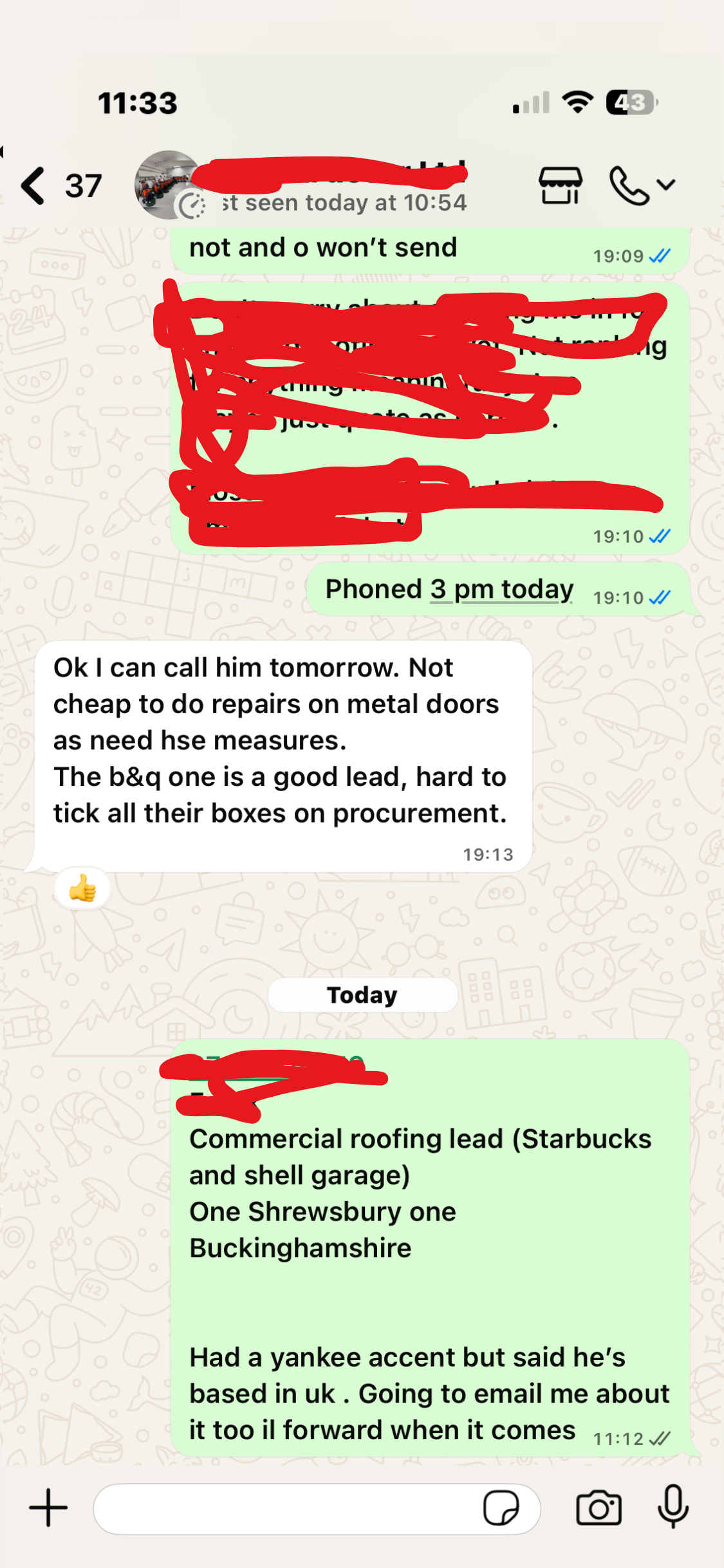
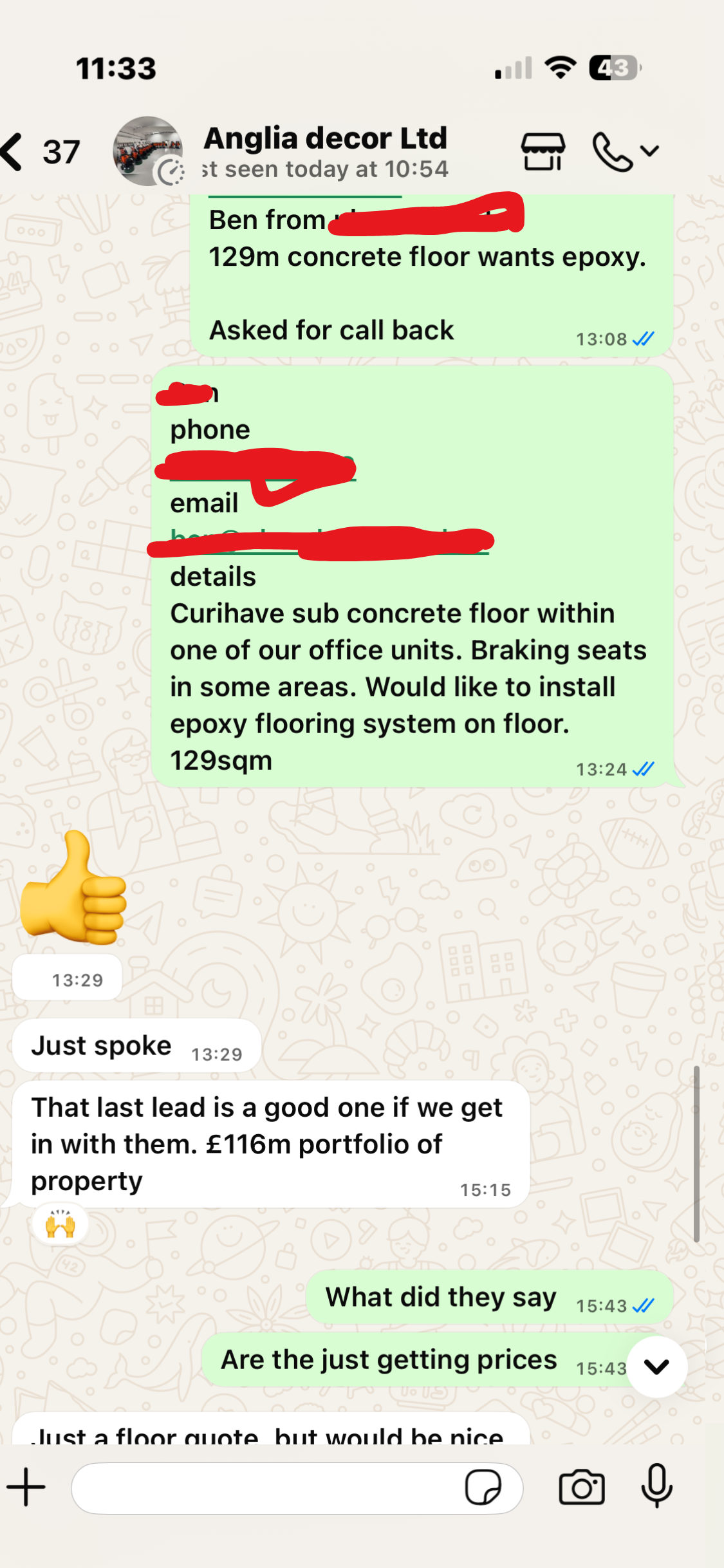
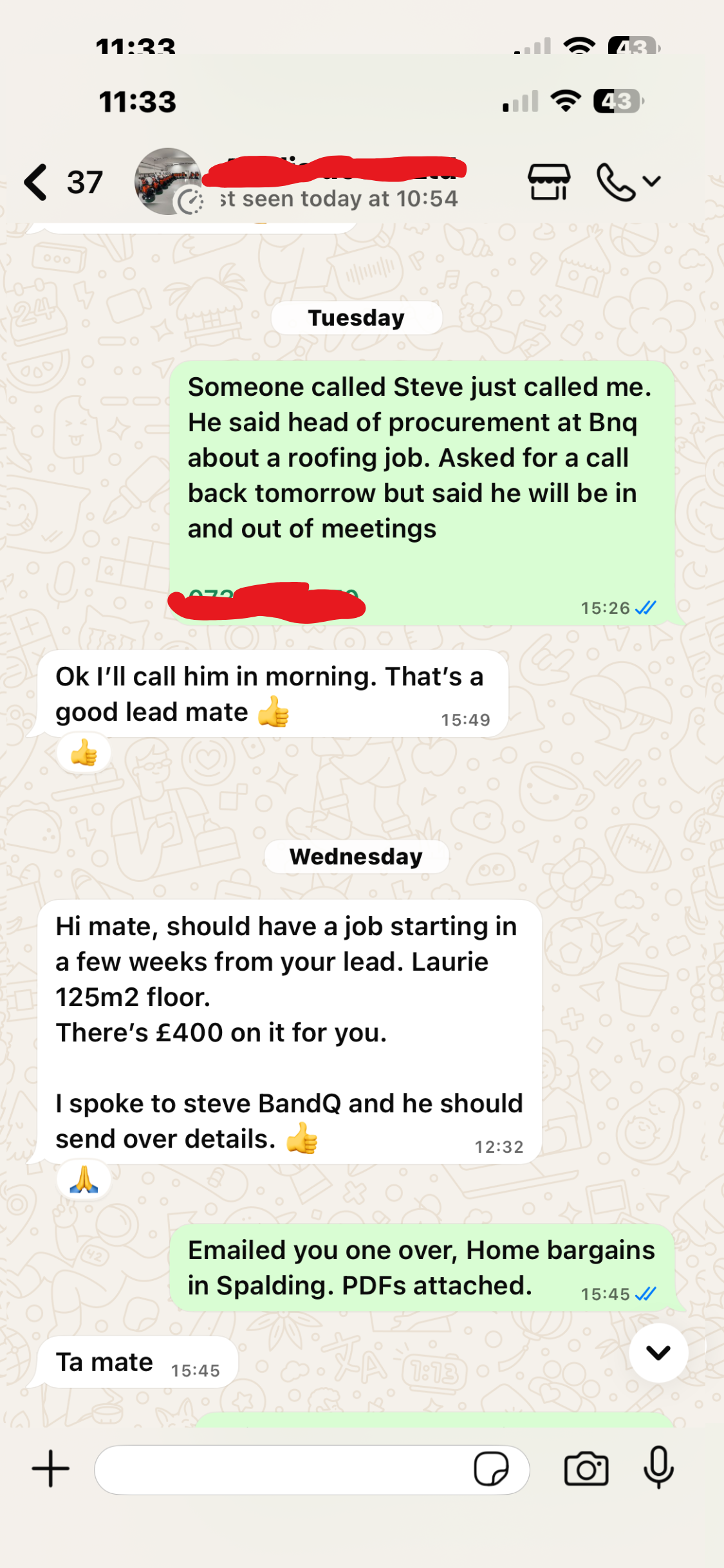
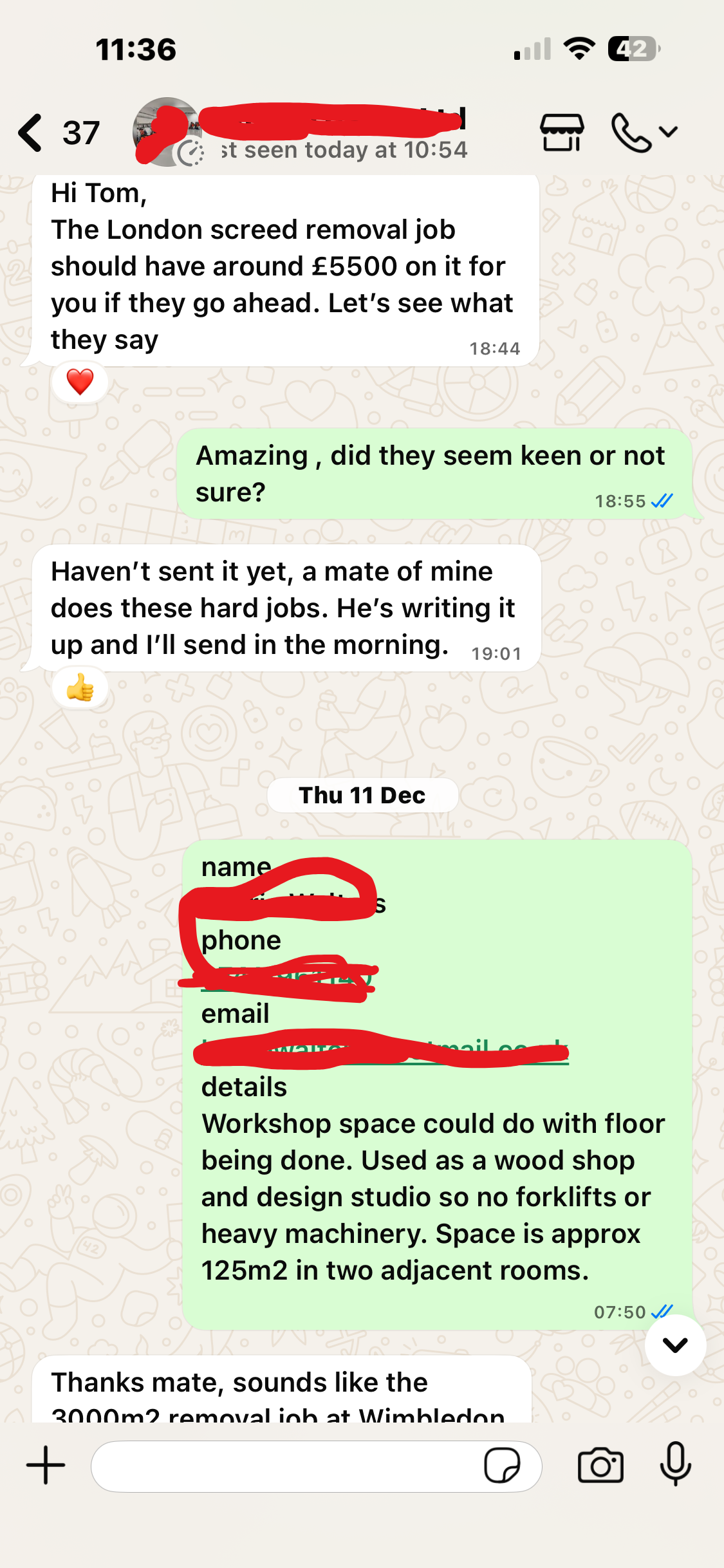
I send leads daily. I’ve got call forwarding set up so when someone dials the business number, it diverts to me with a whisper telling me it’s from my site. I take the details, qualify the enquiry, and pass it to the service provider to close.
I control the funnel. They close the job.
Right now I have epoxy flooring sites ranking number one in major UK cities. Industrial roofing sites slowly accumulating traffic. Cladding sites being built out.
These are proper B2B niches with serious contract values. One converted job can make the whole model worthwhile.
Something interesting happened off the back of this.
The business owner I’ve been sending leads to wanted his own website rebuilt.
Normally in that situation you’re competing against multiple agencies. It becomes a pricing discussion. Everyone promises rankings. Everyone sends proposals.
But once you’ve proven value, you’re not competing anymore.
You’re the person who already makes them money.
I was able to charge multiple five figures for a website build to a client who wouldn’t have entertained those numbers six months ago. And if I’m honest, I’ve drastically undersold here.
In reality, I should be charging six figures for builds in some of these sectors.
One properly structured website in these kinds of industries can bring in hundreds of thousands annually — if not millions — in revenue when it ranks correctly. The asset value is enormous when positioned properly from day one.
But trying to charge six figures to a business owner who has never met you in real life, who just sees you as a faceless guy on the internet sending him leads on WhatsApp, is probably going to be difficult.
So you build trust first.
You prove value.
You earn the right to charge more.
Once they see what structured SEO can actually do, the conversation shifts. It’s no longer “how much does a website cost?” It becomes “how much revenue can this generate?”
That’s a completely different discussion.
And from there referrals start happening. Introductions to other trades. Warm conversations instead of cold calls. The work compounds off the back of the original asset.
It’s not all easy.
You have to manage your percentage carefully. Five to ten percent can genuinely impact tender pricing in competitive sectors. You need to understand margins inside the industry you’re operating in.
You also need to run the sites like real businesses.
Post on social.
Upload YouTube content.
Build branded searches.
Earn mentions.
Do anything you can to avoid looking like a synthetic lead gen operation. The moment it feels thin, you’re vulnerable.
This is asset building. Not churn and burn.
Does this pay all the bills yet?
Not quite.
But I do believe it’s a great route for SEOs to start building assets they actually own that grow slowly over time.
Don’t rely entirely on clients paying for services. Build things that compound. Build things that appreciate. Even if they start small, they stack.
Traffic builds.
Authority builds.
Revenue builds.
And who knows — you might end up going full time into one of your own sites.
Or flipping it for a very large number one day.
At the very least, you’re no longer just selling your time.
You’re building leverage.
And that changes everything.